Get Land Leveling
Land leveling services help property owners improve land grading, address uneven terrain, and prepare sites for construction, agriculture, or landscaping projects by connecting with local contractors.
Land leveling services are an essential step for property owners planning landscaping, construction, or agricultural projects. Properly leveling a piece of land can improve drainage, create a more stable foundation, and enhance the overall usability of the property. Whether preparing a site for a new building, establishing a lawn, or optimizing land for farming, local contractors experienced in land grading can provide the practical solutions needed to meet specific project goals.
Exploring your options for land leveling in the area can help ensure the work aligns with your property's unique features and future plans. Many property owners find it beneficial to compare local service providers who specialize in land grading, as they can offer tailored advice and quality workmanship. Continuing to read can help connect you with trusted local contractors capable of handling your land leveling needs efficiently and effectively.
- Land Leveling - Needed when uneven terrain affects agricultural productivity or construction plans.
- Site Preparation - Required before new construction or landscaping to ensure a stable, even surface.
- Grading for Drainage - Essential to prevent water pooling and erosion on residential or commercial properties.
- Agricultural Land Leveling - Used to optimize field conditions for planting and crop management.
- Construction Site Grading - Necessary to create a level foundation for building projects and infrastructure.
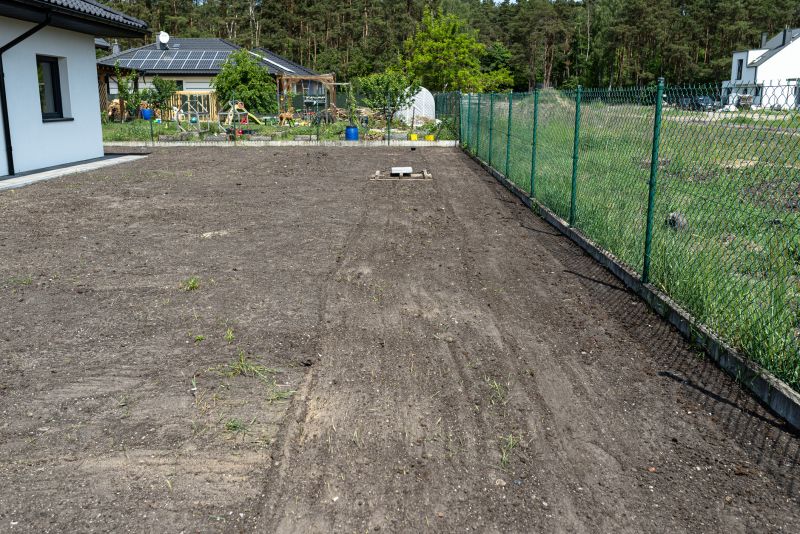
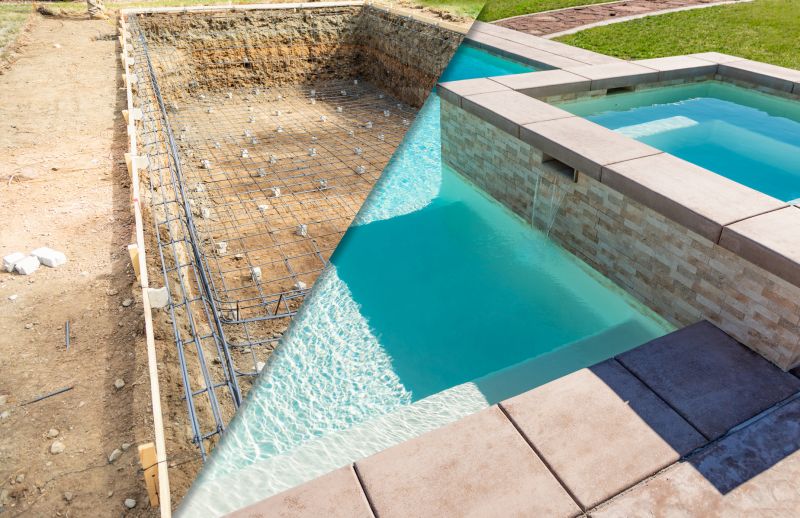
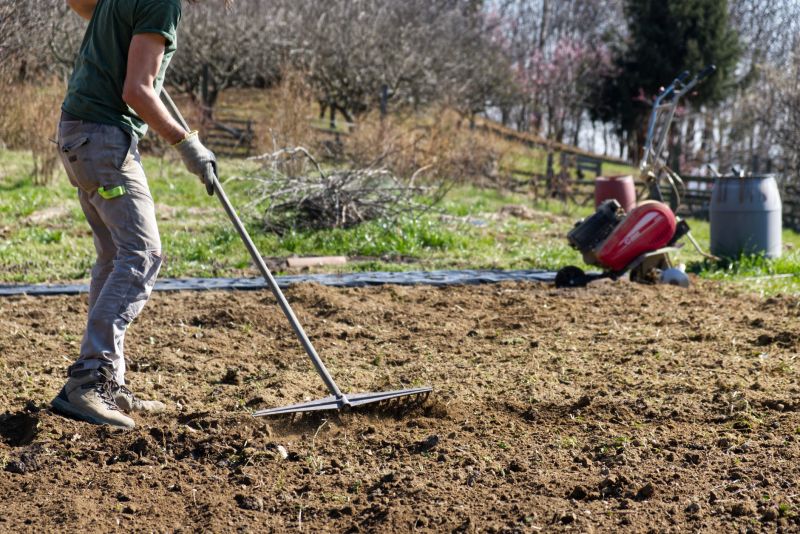
Land leveling services involve the process of smoothing and grading the surface of a property to create an even, stable foundation. This typically includes removing excess soil, filling low spots, and shaping the land to achieve a consistent slope. Proper land leveling ensures that the terrain is prepared for various projects, such as installing lawns, gardens, driveways, or other landscaping features. Skilled contractors use specialized equipment to carefully grade the land, helping to improve drainage and prevent future issues related to uneven ground.
One of the primary problems land leveling helps address is poor drainage and water pooling. When a property has uneven terrain, water can collect in certain areas, leading to potential flooding or soil erosion. Leveling the land helps redirect water flow away from structures and walkways, reducing the risk of water damage and foundation problems. Additionally, land that is not properly graded can cause uneven settling of soil, which may lead to cracked pavement, uneven lawns, or difficulty in planting and maintaining gardens.
Land leveling is commonly used on residential properties, especially those with sloped or uneven yards. It is also valuable for properties undergoing construction or landscaping projects that require a flat, stable surface. Homeowners planning to install new lawns, patios, or irrigation systems often find land leveling beneficial. In rural areas, landowners may utilize leveling services to prepare fields for farming or pasture development, ensuring the land is suitable for planting and livestock. Overall, this service helps create a more functional, attractive outdoor space tailored to the property's specific needs.
By working with local contractors who specialize in land grading and leveling, property owners can ensure their land is properly prepared for its intended use. These professionals assess the terrain, identify problem areas, and execute the necessary grading work efficiently. Whether addressing drainage concerns, preparing for construction, or improving the overall landscape, land leveling services provide a practical solution for many property types. Contacting experienced local service providers can help determine if land leveling is the right step toward achieving a stable and well-shaped outdoor environment.
The overview below groups typical Land Leveling projects into broad ranges so you can see how smaller, mid-sized, and larger jobs often compare in your area.
In many markets, a large share of routine jobs stays in the lower and middle ranges, while only a smaller percentage of projects moves into the highest bands when the work is more complex or site conditions are harder than average.
Smaller Repairs - for minor land leveling needs, local contractors typically charge between $250 and $600. Many routine jobs fall within this range, especially for small-scale adjustments or grading. Larger or more complex repairs can exceed this range, depending on site specifics.
Mid-Size Projects - medium-sized land leveling projects generally cost between $600 and $2,000. This range covers most standard jobs involving moderate grading or contouring. Fewer projects reach into the higher end of this band unless additional site work is required.
Large-Scale Land Leveling - extensive projects, such as preparing large agricultural fields or commercial sites, often range from $2,000 to $5,000 or more. These jobs typically involve significant earthmoving and grading, with costs increasing based on size and complexity.
Full Replacement or Complex Jobs - very large or intricate land leveling projects can surpass $5,000, especially when multiple acres or specialized equipment are involved. Many service providers handle these jobs, but they are less common compared to routine or mid-size projects.
Actual totals will depend on details like access to the work area, the scope of the project, and the materials selected, so use these as general starting points rather than exact figures.
Grading and Excavation Projects - these projects require similar skills in terrain assessment, soil movement, and the use of heavy equipment to prepare land for construction or landscaping.
Drainage System Installation - installing drainage involves precise land planning and grading to ensure proper water flow, aligning closely with land leveling techniques.
Foundation Preparation - preparing land for building foundations involves leveling and soil stabilization, which are essential components of land leveling services.
Agricultural Land Clearing - clearing and leveling farmland for planting requires expertise in soil management and land contouring, similar to land leveling processes.
Site Grading for Commercial Developments - large-scale site grading involves detailed planning and earthmoving skills comparable to those used in land leveling projects.
Erosion Control Projects - implementing erosion control measures often involves land shaping and soil stabilization techniques akin to land leveling work.
When evaluating service providers for land leveling projects, it’s important to consider their experience with similar types of work. Homeowners should look for local contractors who have a proven track record in handling projects comparable in size and scope. This can help ensure that the pros understand the specific challenges involved and are familiar with the best practices to achieve a level and stable surface. Asking for examples of past projects or references can provide insight into their expertise and reliability in completing land leveling tasks effectively.
Clear, written expectations are essential when comparing local pros. Homeowners should seek detailed descriptions of the services offered, including the scope of work, materials used, and any specific outcomes that are expected. Having this information in writing helps prevent misunderstandings and ensures that both parties are aligned on the project’s goals. It’s also beneficial to clarify any questions early on, such as the process involved, potential site preparations, or post-project considerations, to make informed decisions when selecting a service provider.
Good communication and reputable references are key indicators of a professional land leveling contractor. Local pros who maintain open lines of communication and respond promptly to inquiries demonstrate a commitment to customer service. Additionally, seeking out references or reviews from previous clients can provide valuable insights into the contractor’s reliability, quality of work, and ability to meet expectations. While the site introduces homeowners to local options, it’s up to the homeowner to verify that the service providers they consider are known for clear communication, experience with similar projects, and positive feedback from past clients.
Property owners use Land Leveling services for practical projects around their homes and businesses. This guide focuses on everyday jobs and straightforward project options.
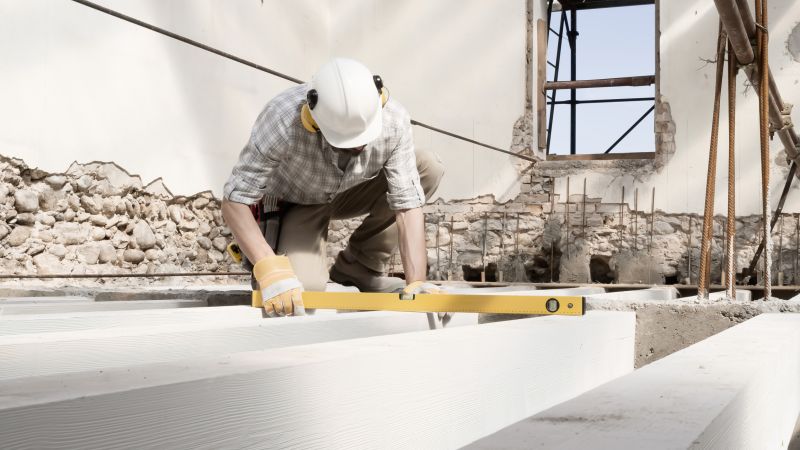
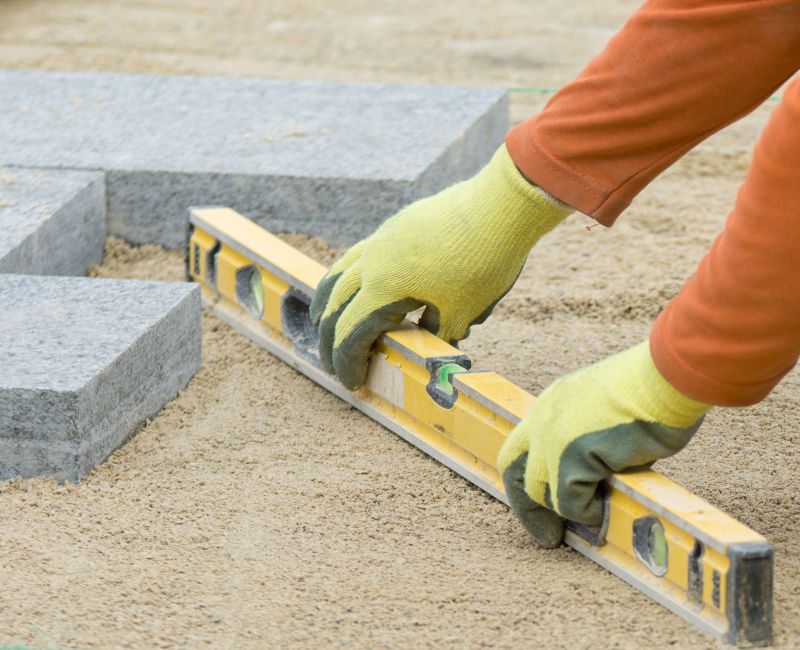
Land leveling services are often sought after by property owners who need to prepare land for construction, landscaping, or agricultural use. Whether it's smoothing out uneven terrain to create a stable foundation for a new building or ensuring proper drainage to prevent water pooling, local contractors can handle these common project needs efficiently. Homeowners and landowners may also look for leveling work to improve the overall appearance of their property or to make it safer and more functional for outdoor activities.
In many cases, property owners turn to local service providers when they require grading to eliminate bumps, dips, or slopes that could cause issues over time. Clearing and leveling land can also be necessary after storm damage or to prepare for installing new features like driveways, lawns, or fencing. These everyday situations highlight why local pros are often called upon to deliver reliable land leveling solutions tailored to the specific needs of the property.
What is land leveling? Land leveling is the process of smoothing and grading a property’s surface to create an even terrain suitable for construction, farming, or landscaping projects.
Why should I consider land leveling? Proper land leveling helps improve drainage, prevents erosion, and provides a stable foundation for various land development activities.
What types of land leveling services are available? Local contractors offer different methods such as laser leveling, manual grading, and mechanical grading to meet specific project needs.
How do land leveling services benefit agricultural land? Leveling agricultural land can enhance water distribution, reduce runoff, and increase crop yields by creating uniform planting and irrigation conditions.
What factors influence the choice of a land leveling contractor? Experience, reputation, equipment quality, and the ability to handle specific land conditions are key considerations when selecting a service provider.
Prepare land for landscaping projects - Land leveling ensures a smooth surface ideal for planting grass, flowers, or trees.
Improve drainage around the property - Properly leveled land helps prevent water pooling and reduces flooding risks.
Set up a level foundation for structures - Leveling the ground provides a stable base for patios, walkways, or other outdoor features.
Enhance the usability of outdoor spaces - Flattening uneven areas makes yards safer and more functional for daily activities.
If you are thinking about Land Leveling for a property, this guide is meant to help you understand the work, the typical project types, and how different options might fit your plans.
When you are ready, you can use the quote form on this page to share a few details about your project. From there, local pros can review the basics and respond with options that match what you have in mind.